
IMPORT & EXPORT FINANCE
FINANCING TRADE FROM PURCHASE TO PAYMENT
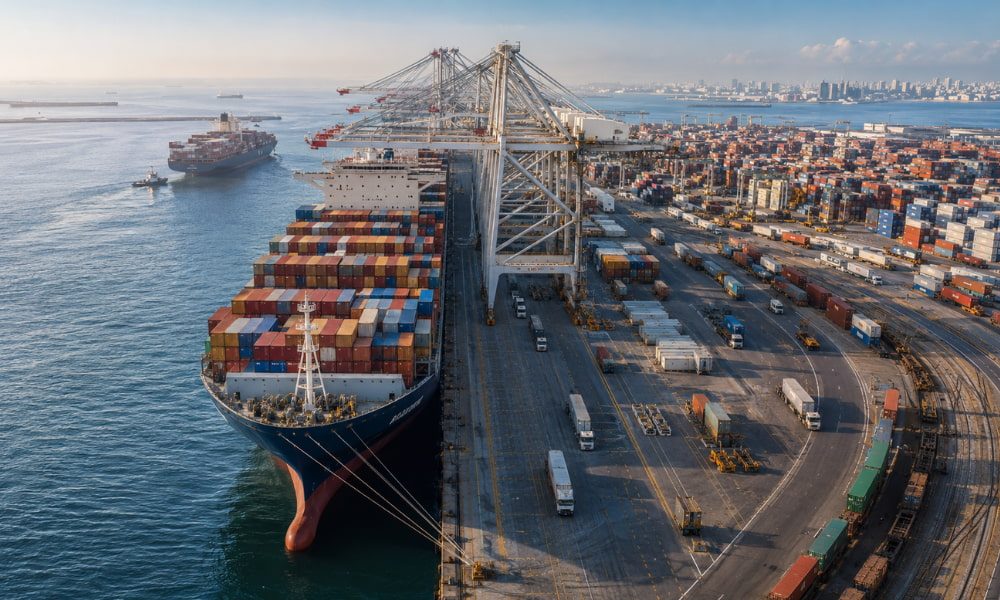
FINANCE ACROSS THE TRADE CYCLE
Importers and exporters often incur substantial costs before receiving the revenues associated with a transaction.
An importer may need to pay a supplier before goods can be shipped, cleared and sold. An exporter may need to purchase materials, manufacture or process goods and arrange transport before receiving payment from the buyer.
Import and export finance can help bridge these timing differences by connecting funding to a clearly identified flow of goods, contractual obligations and expected transaction proceeds.
ATIB may consider financing across procurement, production, shipment, delivery and settlement where the underlying trade is credible, properly documented and supported by an identifiable route to repayment.
IMPORT & EXPORT FINANCE CAPABILITIES
Financing may be considered at different stages of an eligible trade transaction, depending on the goods, counterparties, payment terms, trade cycle and identifiable source of repayment.
IMPORT FINANCE
Finance connected to eligible goods, raw materials, commodities, machinery or production inputs, including supplier settlement and the period before imported goods are sold or used productively.
PRE-SHIPMENT EXPORT FINANCE
Funding for eligible exporters to procure, produce, process, package or prepare goods for delivery against a credible order or commercial contract.
POST-SHIPMENT EXPORT FINANCE
Liquidity considered after eligible goods have been shipped but before payment is received from the buyer, bank or other acceptable payment source.
DOCUMENTARY & RECEIVABLES-BASED TRADE FINANCE
Finance supported by eligible trade documents, payment undertakings, invoices or receivables where the underlying transaction and expected proceeds can be verified satisfactorily.

FINANCING LINKED TO THE TRADE FLOW
Trade finance should follow the commercial transaction from expenditure through movement of goods to the identifiable proceeds expected to repay the facility.
-
A genuine underlying trade transaction identified
-
Buyer, seller and commercial purpose understood
-
Financing period aligned with the movement of goods
-
Repayment connected to identifiable transaction proceeds
-
Appropriate control over goods, documents or cash flows
-
Trade, country and financial-crime risks assessed throughout
ATIB may consider the trading parties, goods, contract, pricing, payment terms, shipment route, jurisdictions, documentary evidence and expected source of repayment. Depending on the transaction, additional security, insurance, controlled accounts, collateral arrangements or independent verification may be required.
FINANCE LINKED TO GENUINE TRADE
Import and export finance can help viable businesses purchase essential goods, fulfil larger orders and compete across regional and international markets without waiting for the entire trade cycle to convert back into cash.
ATIB seeks to structure eligible financing around genuine commercial activity, credible counterparties, appropriate transaction controls and an identifiable flow of proceeds from which the facility can be repaid.
Documentary payment requirements may connect with Letters of Credit, while contractual assurance may involve Credit Guarantees. Wider operating requirements may require Working Capital Finance, and currency or cash-flow considerations may connect with Treasury & Liquidity Solutions.